Describe the situation once
Share where the mold is, what it smells like, and what caused the moisture, then get connected with a contractor who takes on this type of job.
Serving Pittsburgh, Pennsylvania & surrounding areas
Calls answered around the clock
Describe what you're seeing once and get connected with a local contractor who handles containment, cleanup, and prevention steps.
This page covers one part of what we arrange in Pittsburgh, Pennsylvania. For the full picture of how mold work is handled across the city, see Mold Removal Pittsburgh.
Assessment, containment and cleanup
If you're searching for mold remediation Pittsburgh, you're usually dealing with two problems at once: the mold you can see or smell and the moisture that keeps feeding it. Proper remediation is more than spraying a stain. It is a controlled cleanup process that limits spread, removes contaminated material when needed, and addresses the water source so the issue does not keep coming back.
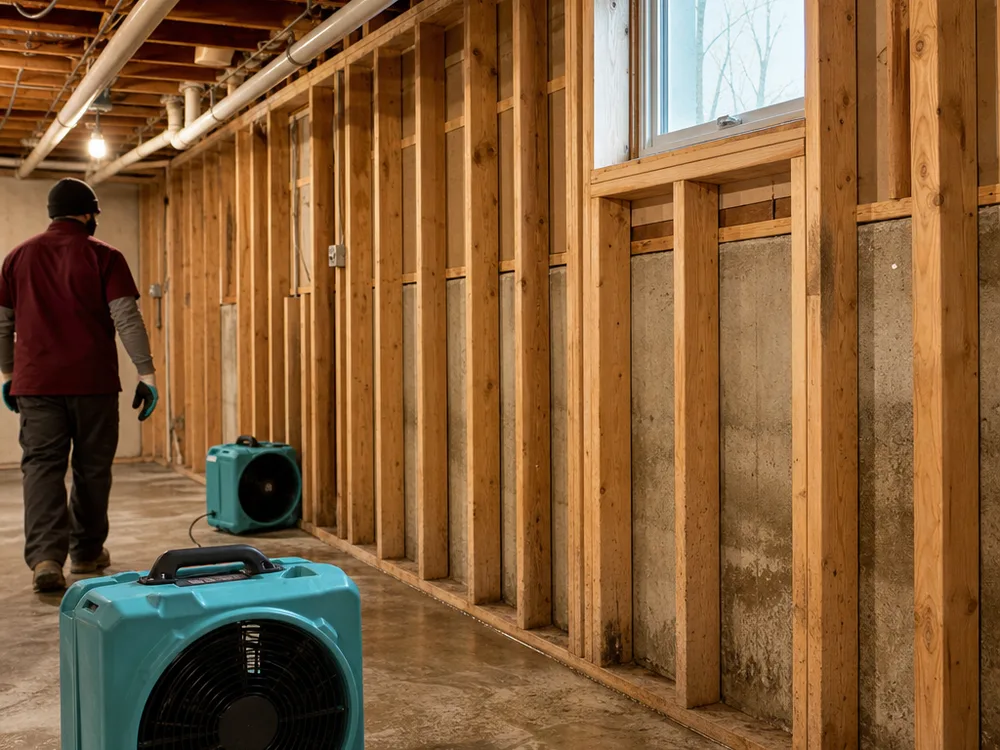
In Pittsburgh, mold calls often tie back to basement humidity, old stone or brick foundations, roof or flashing leaks, plumbing leaks in older homes, and condensation around poorly vented bathrooms or kitchens. Contractors also run into crawlspaces and rim joists where warm indoor air meets cooler surfaces and moisture collects.
A typical remediation plan is built around four pieces:
The contractor identifies where growth is active, what materials are affected—such as drywall, framing, carpet, insulation, or stored items—and what likely moisture driver is involved.
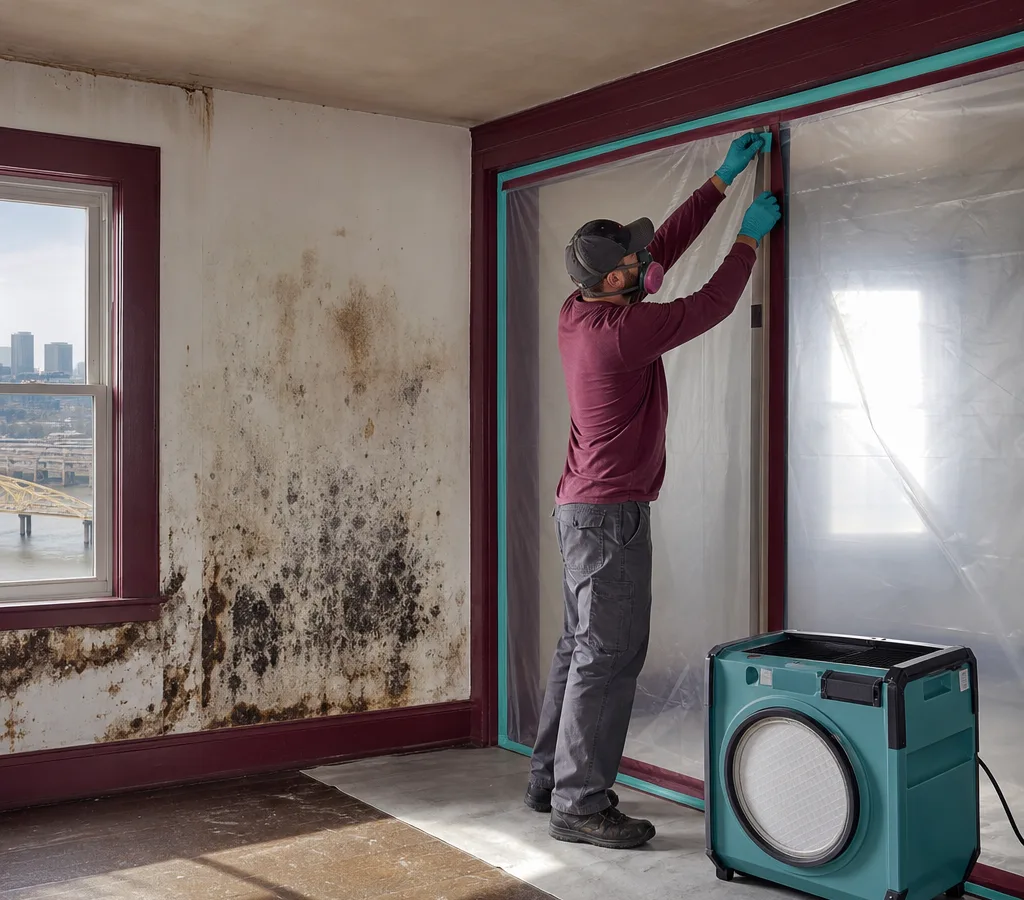
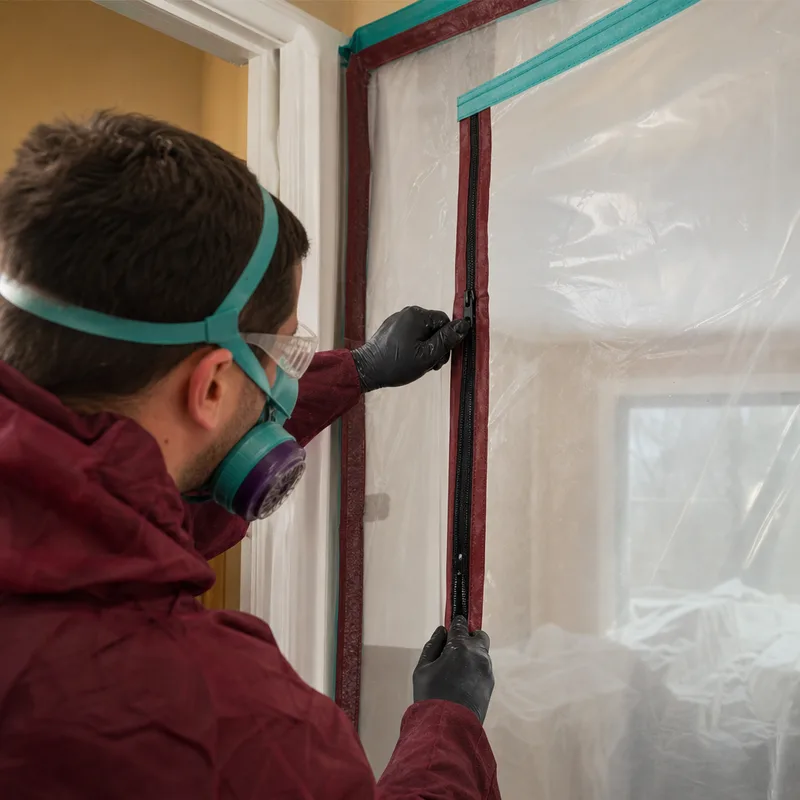
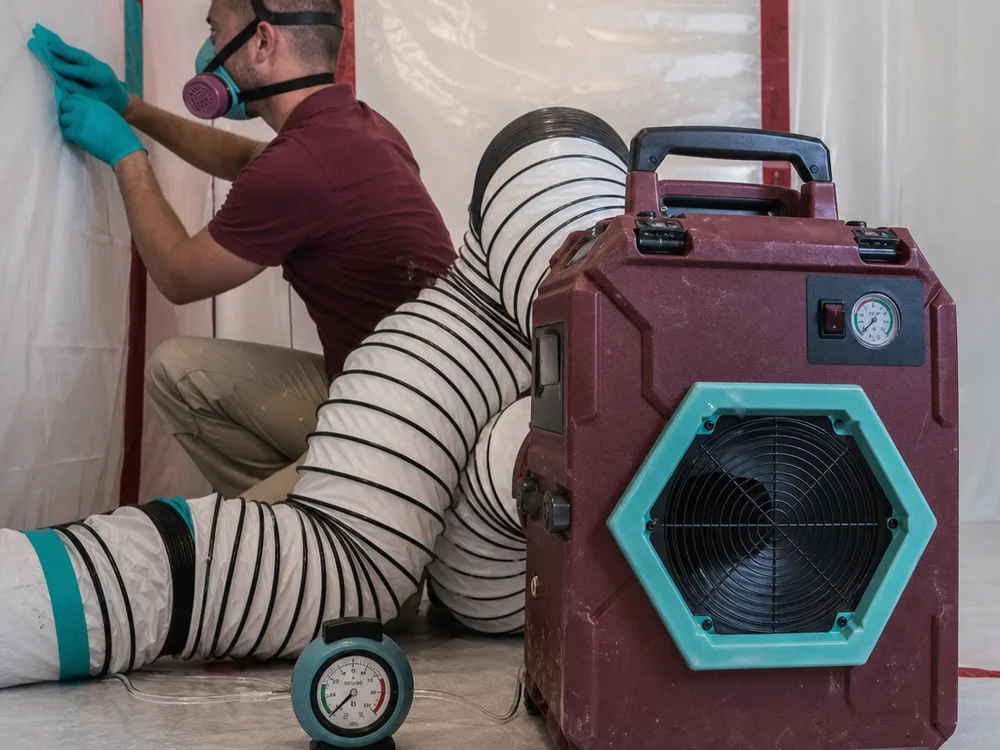
Plastic sheeting and taped seams isolate the work zone. For larger or more sensitive areas, negative air pressure may be used so airborne particles are pulled through a filter rather than drifting into the rest of the house.
HEPA-filtered air scrubbers help capture fine particulates during demolition and cleaning. The contractor also looks for the leak, condensation, seepage, or humidity feeding the problem.
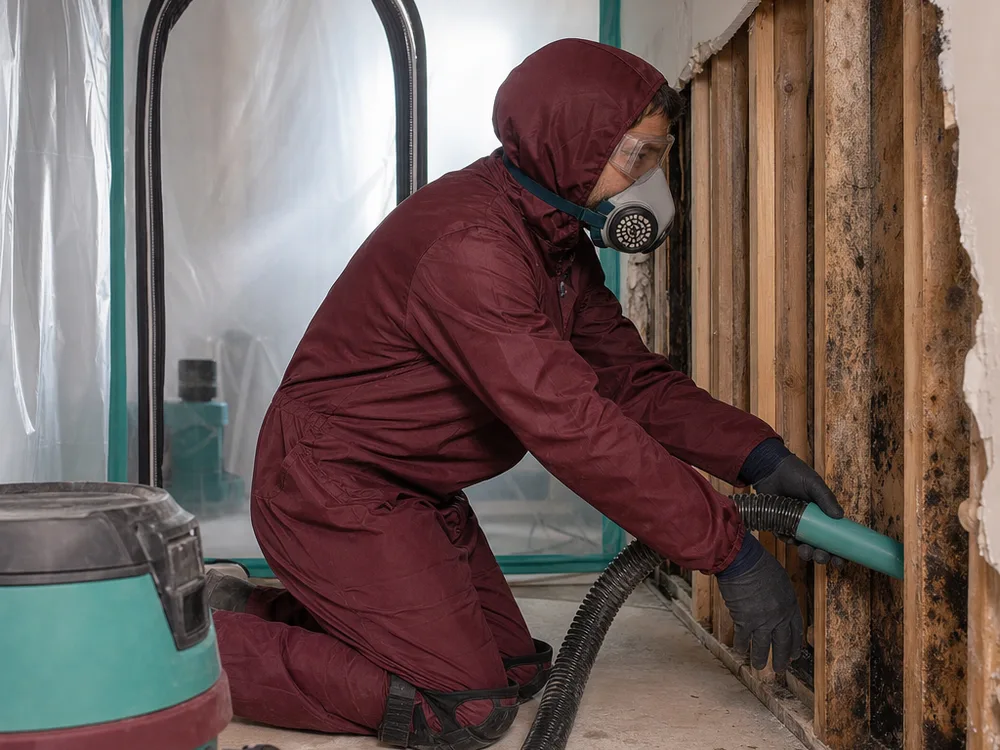
Porous materials with growth are often removed rather than treated. Remaining surfaces are cleaned using methods suited to the material, while drying and dehumidification bring moisture levels down before rebuilding.
If you are unsure whether you need remediation or a smaller targeted cleanup, a phone call is a good place to start. Mold Removal Pittsburgh connects you with a local contractor who can talk through what you're seeing, ask the right questions, and outline next steps.
Why one call helps
Share where the mold is, what it smells like, and what caused the moisture, then get connected with a contractor who takes on this type of job.
Pittsburgh-area homes commonly include older basements, attached rowhomes, and mixed materials that affect containment and drying strategy.
A good remediation plan lays out what gets removed, what gets cleaned, how the area is isolated, and what needs to be fixed to prevent recurrence.
Containment, HEPA filtration, and controlled demolition reduce the chance of spreading dust and spores to adjacent rooms.
You speak with the contractor directly, ask questions, and decide whether to move forward after you understand the scope.
From call to cleanup
When you call, it helps to describe the room, the approximate affected area, any odors, and whether there was a recent leak, flooding, or long-term dampness.
We connect you with an independent contractor who serves Pittsburgh and nearby communities and handles mold remediation work.
The contractor checks materials, likely moisture sources, and whether the work area needs a simple barrier or a controlled containment setup with negative air.
The work area is isolated, air is filtered through HEPA equipment, and affected materials are removed or cleaned based on how they hold contamination.
Drying and dehumidification address remaining moisture. The contractor explains what to repair or change—such as venting, drainage, leak repairs, or humidity control—to reduce the chance of return.
If there's a musty smell, visible growth, or repeated dampness, describe the situation once and get connected with a local Pittsburgh-area contractor who can walk you through a remediation plan.
CALL NOW: 412-900-8052Work and material details
Common questions
If growth is on porous materials such as drywall, insulation, or carpet, keeps returning, or there's ongoing dampness, remediation is usually the safer path. A contractor can explain whether the scope is a small contained area or something that needs broader isolation and drying, especially in basements where humidity and hidden wet materials are common.
They will usually ask where the mold is, what materials are affected, how long you've noticed it, and whether there was a leak, overflow, or seepage. Mention any musty odor, recent repairs, or humidity issues so the contractor can plan containment, equipment, and access needs.
A properly planned job is designed to limit spread by isolating the work area with plastic barriers and using HEPA filtration. Ask the contractor how they set up containment, whether negative air pressure is used for your situation, and how they protect pathways used to move debris out.
Containment is a physical barrier that separates the work zone from clean areas, typically with plastic sheeting and sealed openings. Negative air is when a machine pulls air from the contained space and exhausts it through filtration, keeping the work zone slightly lower pressure so particles are less likely to drift outward.
Not always. Many remediation decisions are based on visible conditions, moisture findings, and the materials involved. If a contractor recommends testing, ask what question the test is meant to answer and how the results will change the work plan.
Porous materials that have growth are often removed because they can hold contamination deep in the material. The contractor typically removes affected sections, contains debris, cleans surrounding framing or masonry as needed, and dries the area before repairs are considered.
Odor control usually starts with removing contaminated materials and drying the structure, since moisture drives smells. Contractors may also use HEPA air filtration and other odor-control methods appropriate to the space; ask what approach they plan and what you should do with fabrics or stored items that hold odors.
If it's safe, avoid disturbing the area and keep doors to the affected room closed. Clear a path to the work area, move valuables out of nearby spaces, and note any recent water events or repairs so you can describe them clearly when you speak with the contractor.
Mold Removal Pittsburgh answers your call, takes the basic details, and connects you with a local contractor who does mold remediation. You discuss your situation directly with the contractor, ask questions about the plan, and decide whether to proceed.
Describe where the issue is, what you've noticed, and any moisture history once. We'll connect you with a local Pittsburgh-area contractor who can evaluate the scope and talk through containment, HEPA filtration, cleanup, and prevention steps.