A clear plan instead of guessing
Sampling and basic moisture context help you decide whether the issue is localized, likely hidden, or tied to an ongoing water problem.
Serving Pittsburgh, Pennsylvania & surrounding areas
Calls answered around the clock
Describe what you're seeing once and get connected with a local contractor who can sample, interpret results, and explain next steps.
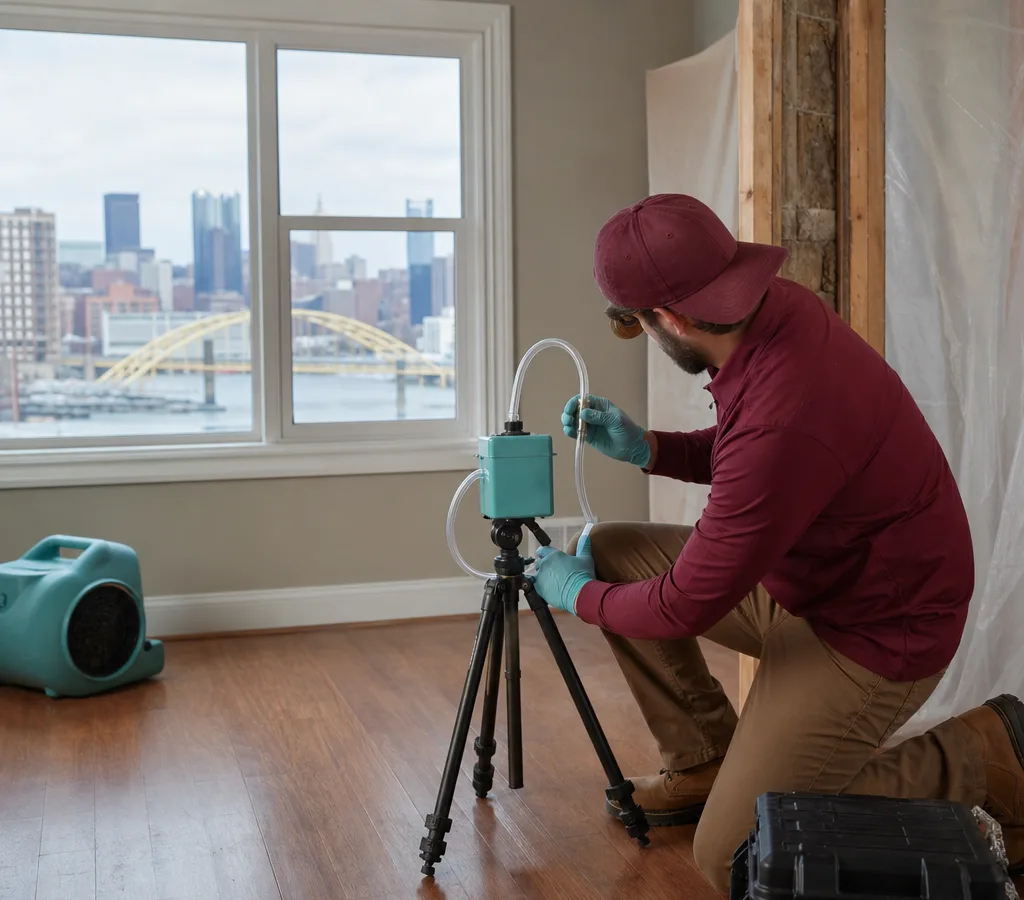
This page covers one part of what we arrange in Pittsburgh, Pennsylvania. For the full picture of how mold work is handled across the city, see Mold Removal Pittsburgh.
Assessment, sampling and interpretation
If you're searching for mold testing Pittsburgh, you're usually trying to answer two questions: is there a mold issue, and where is it coming from? Testing is the information step. It helps document conditions in the air or on a surface so you can make a clear plan, whether that plan is drying a damp area, correcting ventilation, or getting a remediation contractor involved.
A local contractor may recommend one or more of these approaches:
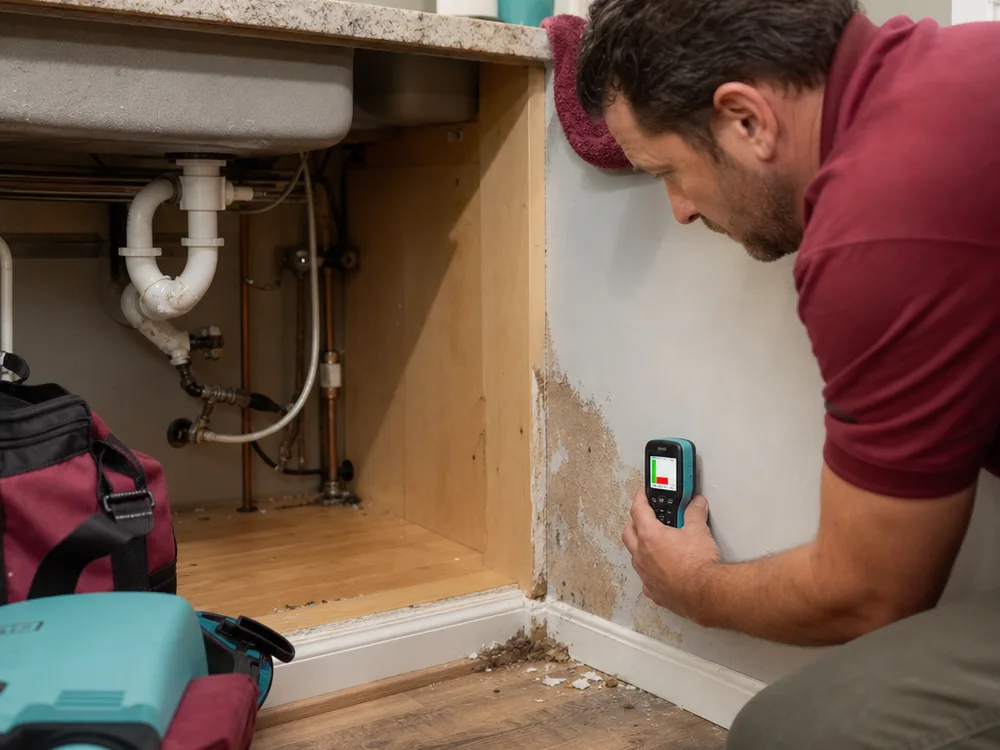
An experienced pro starts by looking for water staining, swelling, musty odor patterns, condensation points, and recent leak history. Moisture drives mold. Without a moisture story, test results can be confusing.
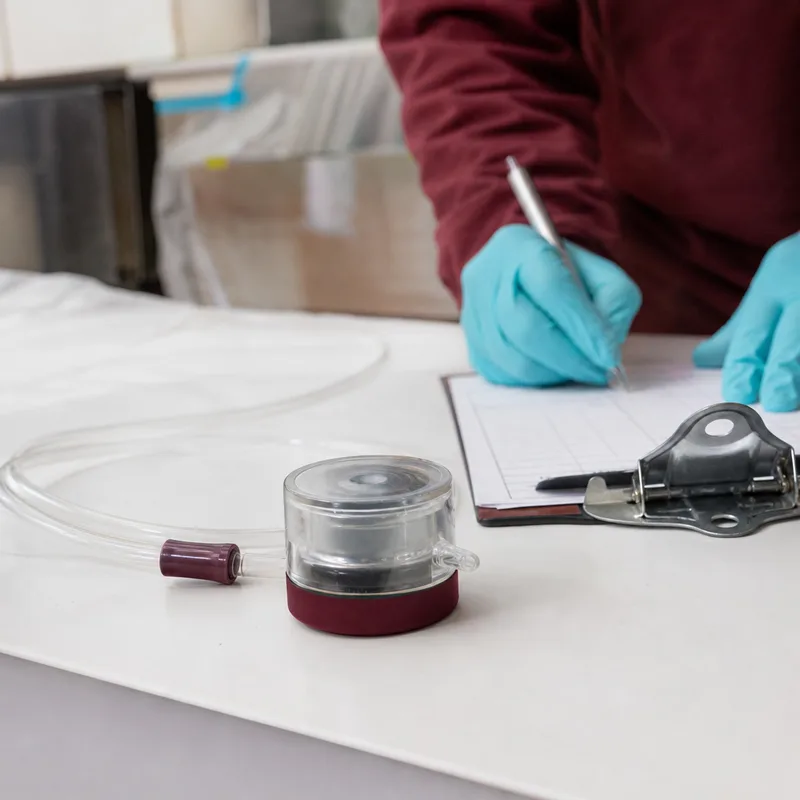
A pump pulls a measured volume of air through a cassette. Results typically report spore types and concentrations, often compared to an outdoor control sample.
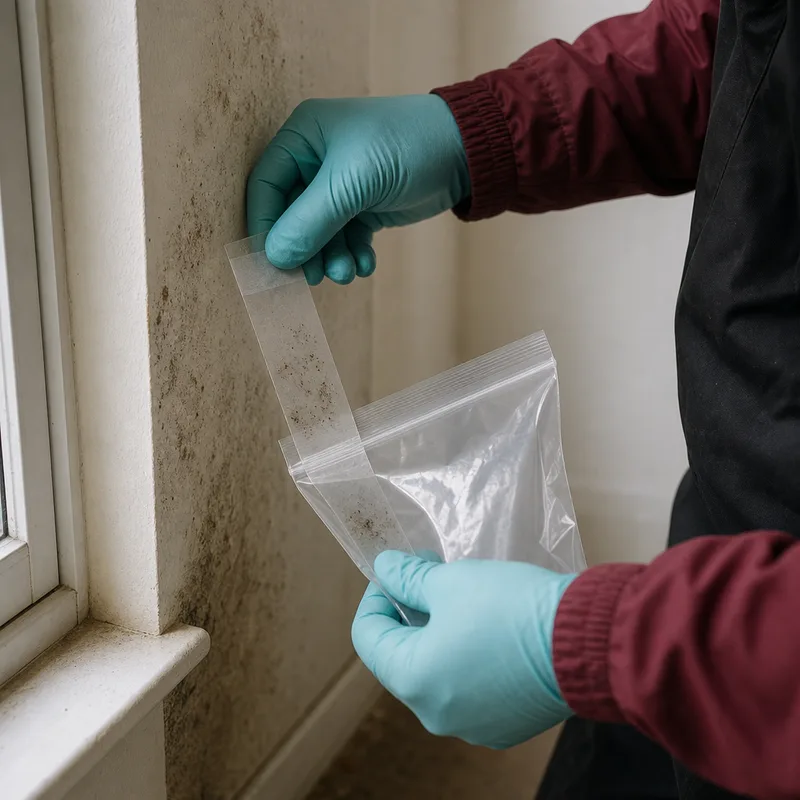
Tape lift, swab, or bulk samples can document what's on a specific spot, such as a dark area on drywall or framing. Surface results help when there is visible growth and you want documentation.
In some cases, dust sampling can help with long-term indicators, but it is not always the right fit for a single, isolated event.
Testing has limits. A lab report does not fix the water source, and it can't prove the exact square footage of hidden growth inside a wall cavity. Good guidance ties results back to building conditions, likely moisture sources, and practical next steps.
Pittsburgh homes often mix older construction with renovations and finished basements. In neighborhoods with lots of older housing stock, like Lawrenceville and Bloomfield, small roof leaks, window flashing issues, and older plaster or lath-and-plaster assemblies can hide moisture longer than expected. In areas with many basements and hillside grades, such as Mount Washington, seepage and condensation can be part of the picture, especially when dehumidification or ventilation is inconsistent.
If you already know you need removal work, you can still start with testing for documentation and scope. Many property owners also consider mold removal in Pittsburgh when they want to move from “what is it?” to “who can handle the next step?”
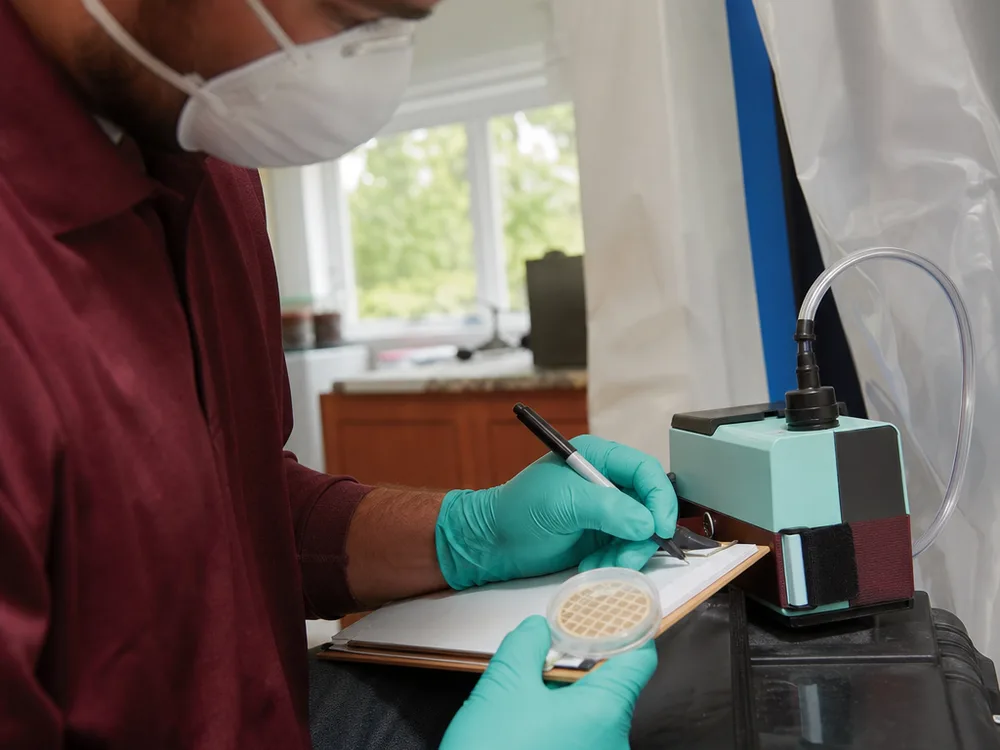
Why one call helps
Sampling and basic moisture context help you decide whether the issue is localized, likely hidden, or tied to an ongoing water problem.
Lab results and field notes can be useful when you're coordinating with a landlord, tenant, HOA, or an insurance adjuster who wants written findings.
A contractor can focus attention on common moisture entry points: roof penetrations, window perimeters, plumbing, HVAC condensate, and basement walls.
If removal is needed, test findings can help explain why a contractor may recommend containment, negative air, or specific cleaning methods.
Instead of calling multiple companies to find who actually handles sampling and reporting, you describe the situation once and get connected with a local pro.
From concern to clear next steps
Share where you see or smell the issue, whether there was a leak or flooding, and which rooms or levels are involved, such as the attic, main floor, or basement.
You'll talk directly with the contractor about what sampling approach fits your situation and what information they need before coming out.
The contractor may check visible conditions and moisture indicators, then collect air and/or surface samples based on the suspected source and areas affected.
Samples go to a lab for identification. The contractor reviews the report with you and explains what the results suggest in plain language.
If the issue is tied to leaks or humidity, the contractor may recommend repairs, drying, ventilation changes, or a remediation scope depending on what was found.
If you've got a musty smell, visible spots, or recent water damage, describe what's going on once and get connected with a Pittsburgh-area contractor who can test and walk you through the results.
CALL NOW: 412-900-8052Sampling and moisture details
Common questions
The right choice depends on whether you have visible growth, a suspected hidden source, or odor and symptoms without a clear spot. Air sampling can help evaluate what's in the breathing zone, while surface sampling documents what's on a particular material. The contractor you're connected with can recommend an approach after you describe where the concern is and what changed recently, such as a leak, humidity, renovation, or a long-standing basement odor.
Be ready to describe the location, including the room and level, when you first noticed it, any recent water events, and what materials are involved, such as drywall, wood framing, carpet, or insulation. In Pittsburgh, basements and older window areas come up often, so mention any condensation on windows, damp foundation walls, or sump pump activity if it applies.
Sampling is usually a brief, low-disruption visit, and many homeowners stay home during the work. The contractor may ask that windows remain closed for a period beforehand, or that certain fans or air cleaners be turned off, because indoor air movement can affect results.
Yes. A small area on the surface can be the visible edge of a larger moisture problem behind drywall, under flooring, or inside insulation. A contractor often looks for building clues like water staining patterns, soft materials, and moisture readings to decide whether further investigation is appropriate.
Most lab reports list the genera observed and the quantities measured in the sample, and interpretation depends on context. The contractor will compare indoor samples to an outdoor reference and consider whether the building has an active moisture source. The goal is to translate a lab list into practical next steps, not just hand you a report.
Next steps usually focus on moisture control first, then cleanup or remediation as needed. That might include drying wet materials, correcting a leak, improving ventilation, or removing contaminated porous materials. When damage came from a leak or water intrusion, some homeowners also ask about water damage restoration so the drying and repairs stay coordinated.
Yes. Mold Removal Pittsburgh connects homeowners, renters, and property managers with local contractors who handle mold testing and can explain findings in a way that's useful for coordinating access, documentation, and next steps with the responsible parties.
Pick up the phone, describe the odor, visible spots, or water event once, and we'll connect you with a local contractor who can handle mold testing and explain what the results mean for your property.