Water source and safety first
The contractor will want to know if the water came from a supply line, drain, roof, or groundwater, and whether power needs to be shut off in wet areas.
Serving Pittsburgh, Pennsylvania & surrounding areas
Calls answered around the clock
Describe what happened once and we'll connect you with a local contractor who handles water damage cleanup, drying, and mold concerns in the Pittsburgh area.
This page covers one part of what we arrange in Pittsburgh, Pennsylvania. For the full picture of how mold work is handled across the city, see Mold Removal Pittsburgh.
Extraction, drying and mold awareness
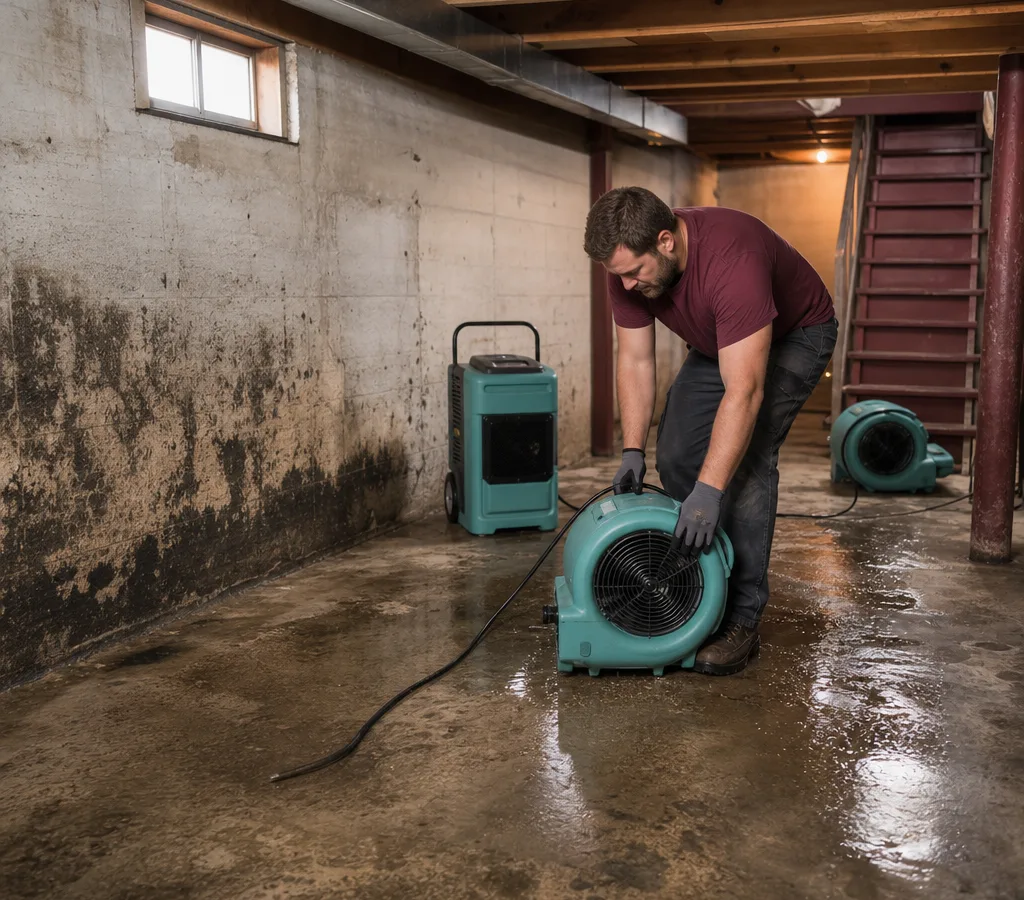
When you search for water damage Pittsburgh PA, you're usually dealing with a leak, a backup, or flooding that soaked materials that were never meant to stay wet. The goal of restoration is to stop the source, remove standing water, dry the structure, and prevent secondary issues like odor, warped materials, and mold growth.
A contractor typically starts by identifying where the water went, not just where it shows. Water travels under flooring, behind baseboards, down wall cavities, and into insulation. In older Pittsburgh housing stock, plaster walls, layered flooring, and finished basements can hide moisture longer than you'd expect.
Common water damage situations in and around Pittsburgh include:
Because the right approach depends on the category of water and what got wet, the first conversation matters. When you call Mold Removal Pittsburgh, you describe the problem once. We connect you with a local contractor who can evaluate the situation, explain what needs to be removed versus dried in place, and walk you through next steps.
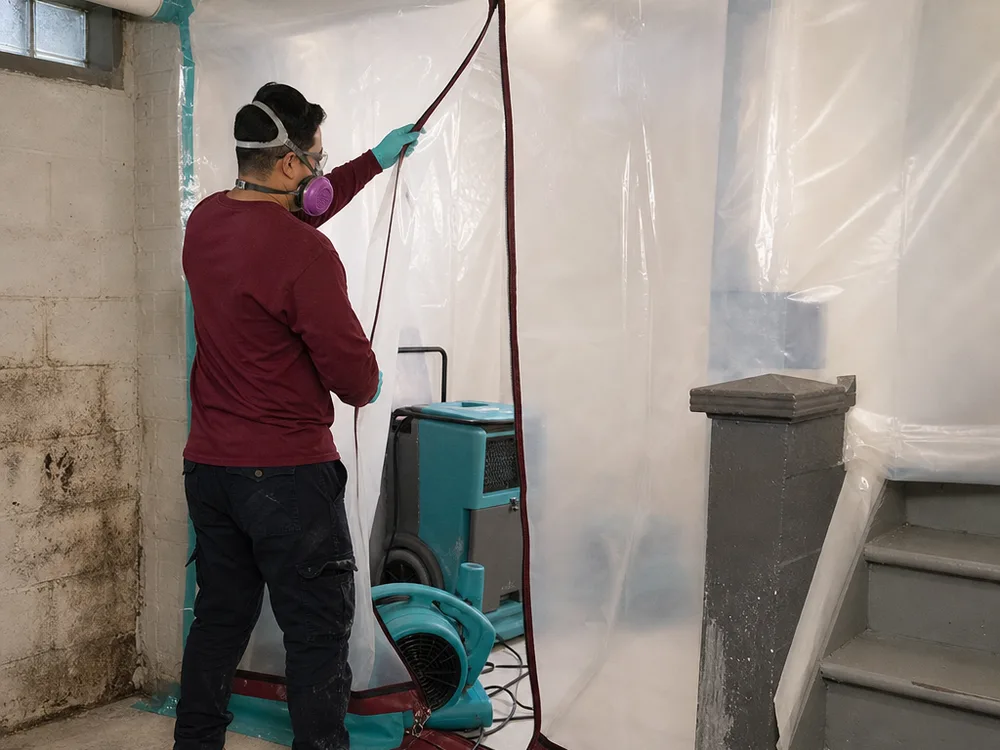
If mold is already visible or you notice a musty odor that wasn't there before, the contractor may recommend containment—plastic barriers and negative air—so spores and dust stay in the work area during removal and cleaning. Mold removal often overlaps with water damage work, but the drying and material decisions come first.
A complete restoration scope
The contractor will want to know if the water came from a supply line, drain, roof, or groundwater, and whether power needs to be shut off in wet areas.
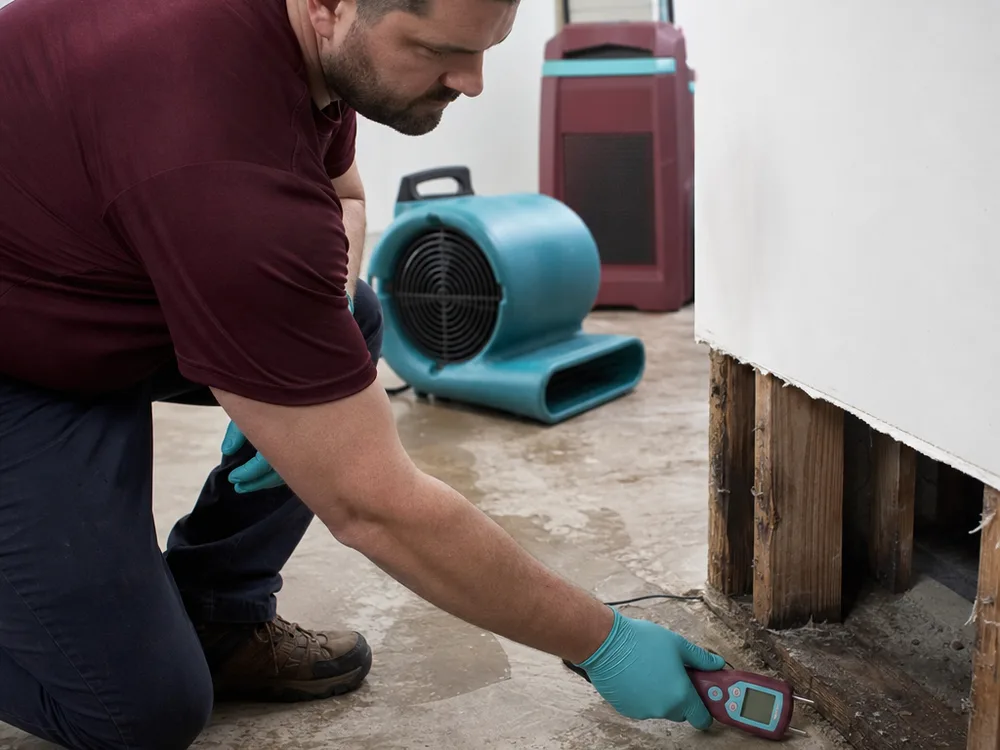
Standing water is removed, then drying equipment is placed to move air and pull moisture from framing, subfloors, and concrete.
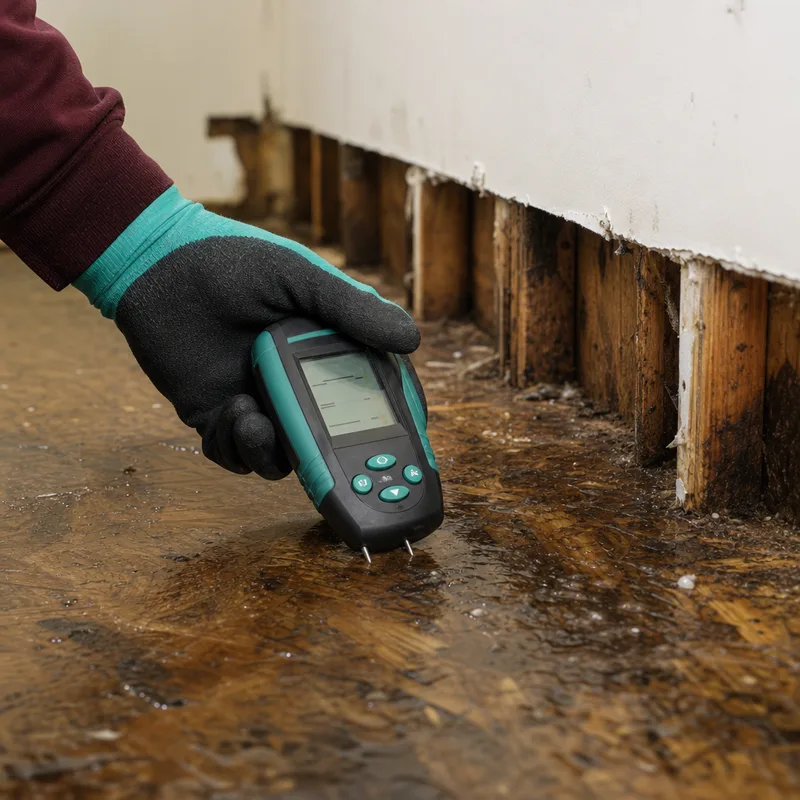
Moisture meters and visual inspection help confirm what is still wet behind surfaces so drying is targeted instead of cosmetic.
Wet drywall, baseboards, insulation, carpet pad, and swollen cabinetry may need removal to reach trapped moisture and stop odor.
If mold is present or likely, containment and careful cleaning reduce spread while the affected materials are addressed.
From your call to the contractor
Share where the water came from, if known, what rooms are affected, and whether anything has been shut off, such as a water valve, breaker, or sump.
We connect you with an independent contractor who handles water damage restoration work in the Pittsburgh area.
You'll discuss what needs immediate attention, what can be dried in place, and what materials may need removal to dry properly.
The contractor provides the quote and schedule details directly, and you choose whether to move forward.
If water reached drywall, flooring, or a finished basement, drying the right layers matters. Describe what you're seeing once and get connected with a local contractor who can take it from there.
CALL NOW: 412-900-8052Work and material details
Common questions
Be ready to describe the source—supply line, drain, rain intrusion, or appliance—the areas affected, and how long materials have been wet. In Pittsburgh homes with finished basements, it also helps to mention whether water reached carpet, drywall, or built-ins, since those layers can trap moisture.
They base it on the water category, how far moisture traveled, and whether materials can dry to a normal moisture level without staying damp inside. Drywall, insulation, and carpet pad often hold moisture in ways that can keep odors and mold going even after the surface looks dry.
No, but any prolonged dampness can create conditions where mold grows, especially in wall cavities, behind baseboards, and under flooring. If you already see spotting or smell a persistent musty odor, the contractor may recommend containment and cleaning steps in addition to drying.
Clean water comes from sources like a broken supply line, while contaminated water can come from drains or backups and usually requires stricter handling and disposal. The source changes what materials can be saved and what cleaning methods are appropriate, so the contractor will ask detailed questions about where the water originated.
Drying equipment often runs continuously during the drying phase, and it can be loud and warm while it moves air and removes moisture. A contractor typically monitors moisture levels and may adjust placement as materials dry, especially in basements and rooms with limited airflow.
Yes, the water source should be stopped or controlled before drying can succeed. If the opening also needs attention, the contractor can explain what must be addressed so the structure can dry without new water entering.
Mold Removal Pittsburgh is a referral service that connects you with local contractors who do the work. You describe the water damage situation once, then you speak directly with the contractor about the plan, the quote, and timing, and you decide whether to proceed.
Water problems get harder to solve when moisture stays hidden behind walls and floors. Describe what happened once and we'll connect you with a local Pittsburgh-area contractor who handles water damage cleanup, drying, and mold-related concerns.